Books I Wish I Read Earlier as a Black Music Tech Founder
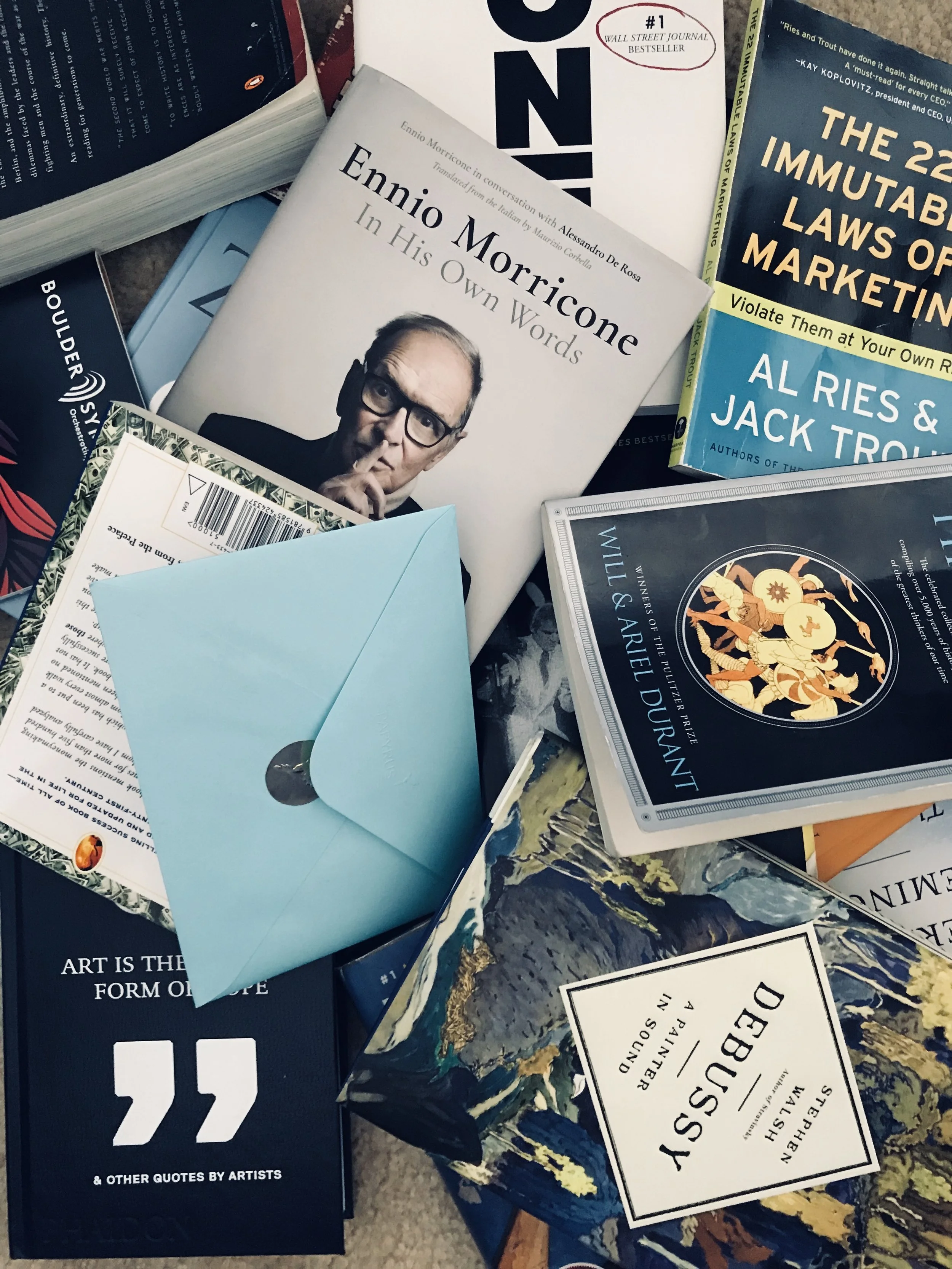
As a black founder building a music tech company, I often reflect on the books that could have shaped my journey had I encountered them earlier. The path of entrepreneurship—especially in a space that blends art, technology, and business—is filled with lessons that, if learned sooner, could have made my transition from artist to founder much smoother. Three books in particular stand out: Shoe Dog by Phil Knight, Erasure by Percival Everett, and Decoded by Jay-Z. Each of these books, in its own way, could have expanded my mindset on business, culture, and the intersection of capitalism and creativity.
Shoe Dog: Starting from Anywhere
Phil Knight’s memoir Shoe Dog is a raw and honest account of how he built Nike from nothing. What resonated with me the most was how Knight started with almost no resources—stacking his first shoes in his parents' house and selling them out of the trunk of his car. His journey reminded me that I don’t need a massive budget or an investor’s green light to start. If anything, Shoe Dog reinforced the idea that resourcefulness is more valuable than resources. The book also serves as a humbling reminder: there will always be someone with less than you who builds something greater. That knowledge isn’t meant to discourage but to fuel ambition. Reading this early on would have reminded me that scrappiness is an asset, not a limitation.
Erasure: Understanding Perception and Stereotypes
Erasure by Percival Everett—now widely recognized through its film adaptation American Fiction—is an essential read for any black entrepreneur. The novel highlights how black culture is often reduced to stereotypes for mass consumption, something I must navigate as a founder in the music industry. While I don’t have to conform to stereotypes, I have to be aware that they exist and that they sell. The book underscores how mainstream audiences, particularly white consumers, often expect black creators to fit a predefined mold. This awareness is crucial as I shape my company’s narrative and branding. It’s not about selling out—it’s about understanding the landscape so that I can move strategically within it.
Decoded: The Business of Art
As an artist first—a composer—Jay-Z’s Decoded shifted my entire perspective on the relationship between art and capitalism. Many of my peers in music are left-leaning and tend to reject capitalism outright. But Decoded forces us to confront a truth: art has always been tied to commerce. Jay-Z captures it best when he writes about the “sick fascination with dead artists, the broke artist, the drugged-out artist… who blows all his money on drugs and big chains and ends up on a VH1 special.” The myth of the starving artist is a convenient one for those who profit from artists’ work without compensating them fairly. Reading this book earlier would have solidified my stance that paying attention to the business side of art isn’t selling out—it’s survival. It’s ownership.
Without Their Permission: The Missed Opportunity of 2013
Alexis Ohanian’s Without Their Permission is somewhat outdated now, but that’s precisely why I wish I had read it when it was published in 2013. The book was an early blueprint for how the internet would change our lives, and it would have shown me sooner that I could build the tools I wanted to see in the world. Had I read this earlier, I would have realized that building a company isn’t as insurmountable as it once was. The barriers to creating tech products are lower than ever, and in many ways, entrepreneurship is more accessible than before. This book could have nudged me toward tech much sooner.
The Rest Is Noise: The Power of Community in Art Movements
Alex Ross’s The Rest Is Noise gave me an unexpected but necessary history lesson on how artistic movements take shape. Composers like Philip Glass and Steve Reich weren’t waiting for permission—they were driving taxis, organizing their own concerts, and ultimately forming the downtown minimalism movement that changed classical music forever. Their DIY ethos reminds me that innovation in music isn’t just about what gets created but also how it reaches people. If artists-turned-entrepreneurs like Glass could reshape an entire genre from the ground up, there’s no reason I can’t build something transformative in music tech today.
Honorable Mention: Black Founder by Stacey Spikes
Though it was published in 2023—too recently to qualify as a book I "wish I had read earlier"—Stacey Spikes’ Black Founder: The Hidden Power of Being an Outsider reinforced so much of what I’ve come to realize. It echoes Erasure in showing how black entrepreneurs are often pigeonholed into certain industries—sports, music, entertainment. Spikes' experience trying to launch a film studio before MoviePass was unheard of for a black entrepreneur. His mentor had never seen a black person attempt it before but still encouraged him to try. His story highlights the importance of mentorship, which I now understand is vital for navigating the startup world. He also breaks down venture capital in a way that makes the industry’s jargon more accessible.
Conclusion
Had I read these books earlier, my path as a music tech founder might have been clearer and, perhaps, more confident from the start. Shoe Dog would have taught me that scrappiness is a strength. Erasure would have made me hyperaware of how black culture is commodified. Decoded would have pushed me to embrace the business of art unapologetically. Without Their Permission would have shown me how accessible building in tech has become. The Rest Is Noise would have assured me that radical change in music isn’t just possible—it’s inevitable. And finally, Black Founder reminds me that, as a black entrepreneur, I am navigating uncharted territory—but that doesn’t mean I can’t claim my space.